Book a ride
Kunta Kinteh Island in the River Gambia

Home / Top 10 places

Top 10 places to visit in The Gambia

The ten places we drive visitors to most, ranked by how much people talk about them on the way home. Each one has the time to allow, how to get there and the tips we give our own guests.

The short answer

The best places to visit in The Gambia are Kunta Kinteh Island and Juffureh for history, Makasutu Culture Forest and Abuko Nature Reserve for nature, Kachikally Crocodile Pool and Bijilo Forest Park for families, Banjul and Serrekunda for markets, Tanji for real fishing-village life, the southern beaches at Sanyang and Kartong for peace and quiet, and the River Gambia National Park upriver for chimpanzees and hippos.

At a glance
#PlaceAreaTime neededBest for
1Kunta Kinteh Island & JuffurehNorth BankFull dayHistory
2Makasutu Culture ForestNear BrikamaHalf to full dayNature, culture
3Kachikally Crocodile PoolBakau1–2 hoursFamilies
4Abuko Nature ReserveAbuko2–3 hoursBirdwatching
5Arch 22 & Albert MarketBanjulHalf dayCulture, shopping
6Tanji Fishing VillageTanji1–2 hoursPhotography
7Bijilo Forest ParkBijilo, by Kololi1–2 hoursFamilies, monkeys
8River Gambia National ParkUpriver2 daysWildlife
9Sanyang & Kartong beachesSouth coastA dayBeaches
10Serrekunda & Senegambia StripSerrekunda, KololiMorning + eveningMarkets, nightlife
Kunta Kinteh Island in the River Gambia
1

Kunta Kinteh Island and Juffureh

If you only do one big trip in The Gambia, make it this one. Kunta Kinteh Island is a small island in the River Gambia, once called James Island, where traders held enslaved Africans before shipping them across the Atlantic. UNESCO listed it as a World Heritage Site in 2003, along with nearby places including Albreda, Juffureh, San Domingo and Fort Bullen.

The day starts with the ferry from Banjul to Barra. The new ferry, also called the Barra, came into service in March 2026 and the crossing takes about half an hour. From Barra we drive to Juffureh, the village Alex Haley wrote about in Roots. You'll meet the villagers, and the museum in neighbouring Albreda explains the slave trade clearly and without fuss. Then a short boat takes you out to the island itself, where you can walk among the ruins of the old fort.

It's a moving day, and most of our guests are quiet on the way back. It's also a long one, so it suits adults and older children better than toddlers.

  • Time needed: a full day
  • From Kololi: about 2 hours each way including the ferry
  • Good for: history, older children
  • Best time: leave by 7:30am

Our tip: bring a hat, water and small dalasi notes for the village. Ferry queues can be long, so we leave early to get ahead of them.

Book the Roots tour
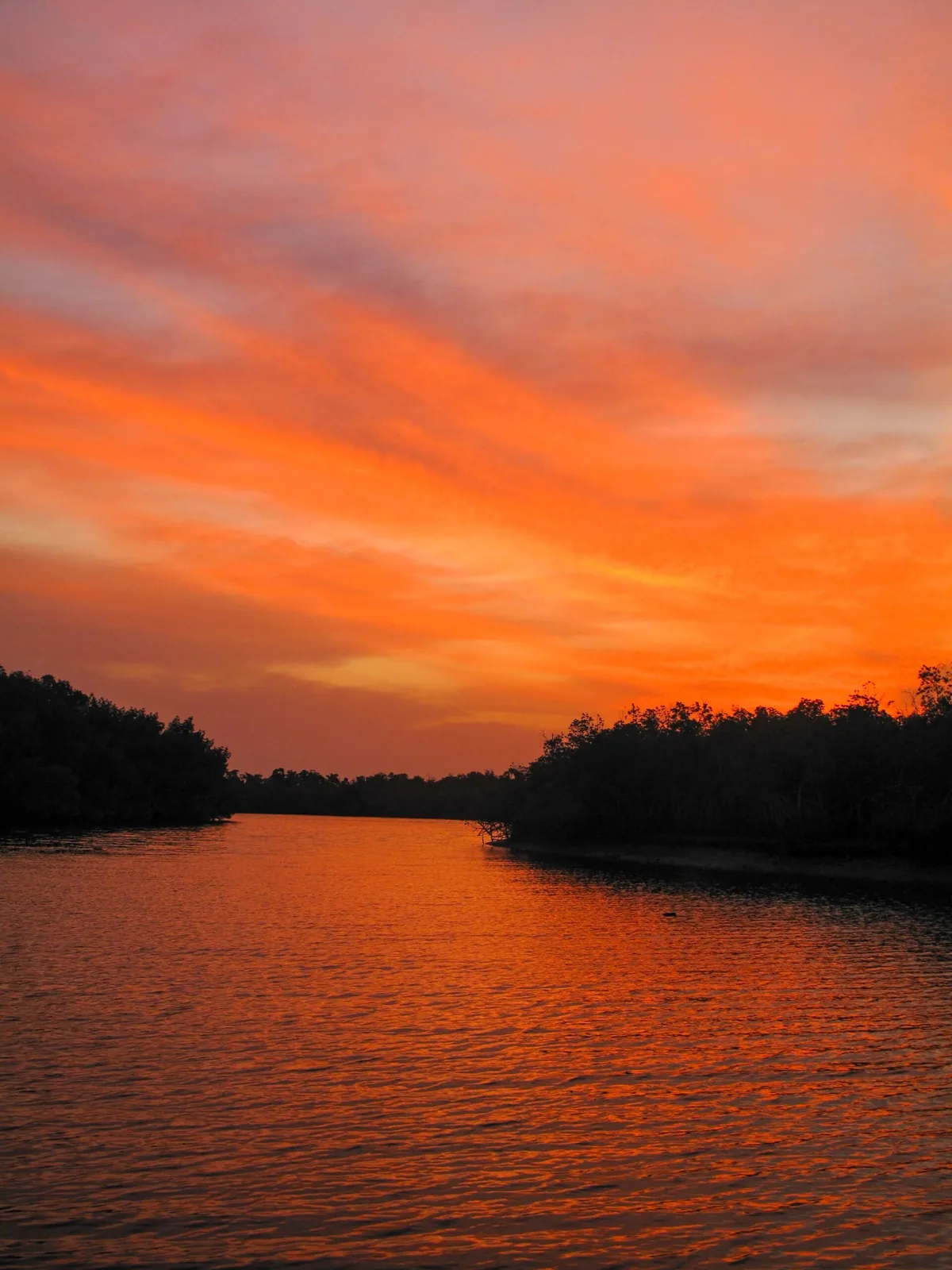
Sunrise over mangroves at Makasutu Culture Forest
2

Makasutu Culture Forest

Makasutu means "sacred and deep forest" in Mandinka, and it lives up to the name. It covers about 10 square kilometres of forest, savannah and mangrove on Mandina Creek, about 5 km from Brikama. Two Englishmen started it in 1993, and it has been run with the local villages ever since.

The highlight is the trip along the creek in a dugout canoe. You glide past the mangroves, and you might see women collecting oysters from the roots. Back on land, a guide walks you through the forest and shows you the plants local people use for medicine. You'll watch a palm-wine tapper climb a tree with nothing but a loop of rope, and if you're lucky you'll see the baboons that live in the forest. Lunch is usually Gambian food like benachin, domoda and yassa, with drummers and dancers afterwards.

It's calm, green and a real change from the busy coast.

  • Time needed: half a day, or a full day with lunch and dancing
  • From Kololi: about 45 minutes
  • Good for: nature, couples, photographers
  • Best time: morning, when the creek is cool and the birds are busy

Our tip: wear trainers for the forest walk and bring insect repellent for the creek.

Book Makasutu
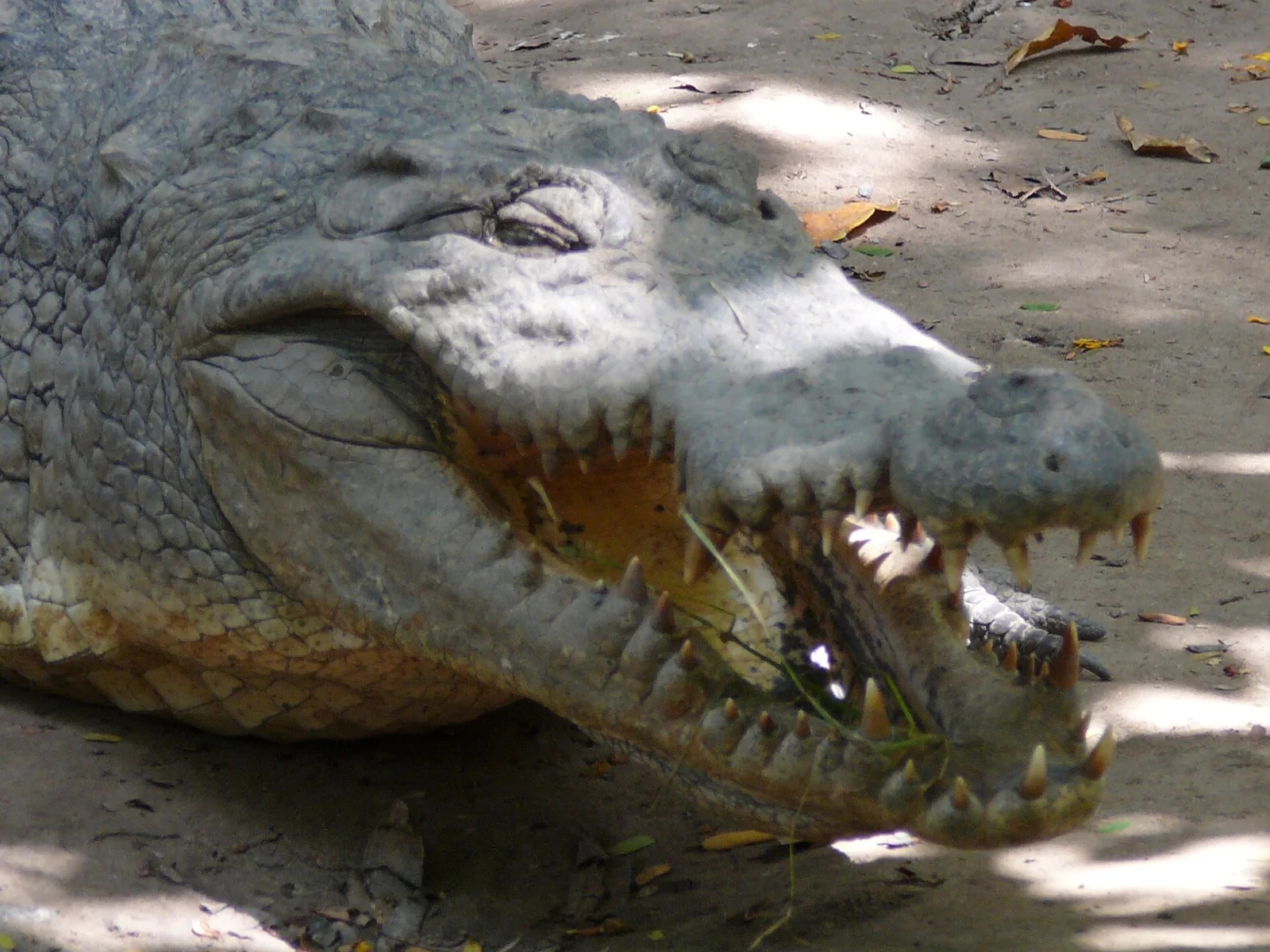
Crocodile at Kachikally Crocodile Pool in Bakau
3

Kachikally Crocodile Pool, Bakau

Right in the middle of Bakau, behind a quiet gate, is one of The Gambia's three sacred crocodile pools. The Bojang family, one of the founding families of Bakau, look after it. For generations, women have come here to wash and pray for children, and many still do.

The pool is home to around 80 crocodiles. People used to call them Nile crocodiles, but scientists now say they're West African crocodiles. The ones that rest on the bank are so used to visitors that you can stroke one with the keeper standing beside you. It's the photo everyone wants. In the rainy season many of them wander off into the surrounding area, so you'll see fewer then.

Don't skip the little museum at the entrance. It has drums, a kora, a huge wooden xylophone and masquerade costumes, plus displays on Bakau's history.

  • Time needed: 1 to 2 hours
  • From Kololi: about 20 minutes
  • Good for: families, a first easy outing
  • Best time: morning, before it gets hot

Our tip: only touch the crocodiles the keeper points to, and keep well back from the water's edge. A calm croc on the bank is still a crocodile.

Book crocodiles & monkeys
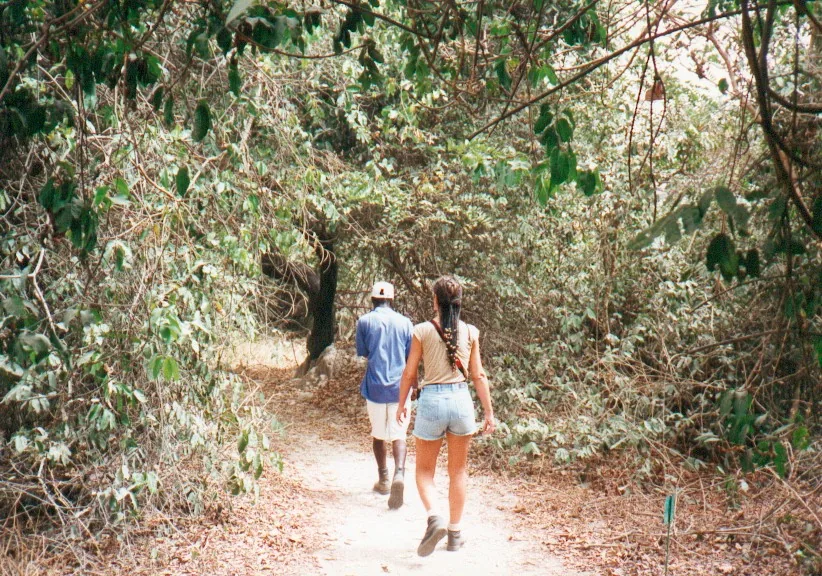
Guide on a shaded path at Abuko Nature Reserve
4

Abuko Nature Reserve

Abuko became The Gambia's first wildlife reserve in 1968. At just 107 hectares it's small, but it packs in more than most visitors expect. Shady trails wind through thick forest, past a pool where crocodiles lie in the sun, and to wooden hides where you can sit and watch.

It's one of the best birdwatching spots in the country, with more than 270 species recorded. Even if you don't know a heron from a hornbill, the colours are amazing: kingfishers, turacos, sunbirds. You'll almost certainly see monkeys too, including red colobus and green vervets, and patas monkeys live here as well. There's a small animal orphanage on site.

  • Time needed: 2 to 3 hours
  • From Kololi: about 25 minutes
  • Good for: birdwatchers, walkers
  • Best time: early morning, when the birds are most active

Our tip: wear proper shoes, not flip-flops, and bring binoculars. If birds are your thing, ask us to arrange a local bird guide. They spot things you'd walk straight past.

Book a trip to Abuko
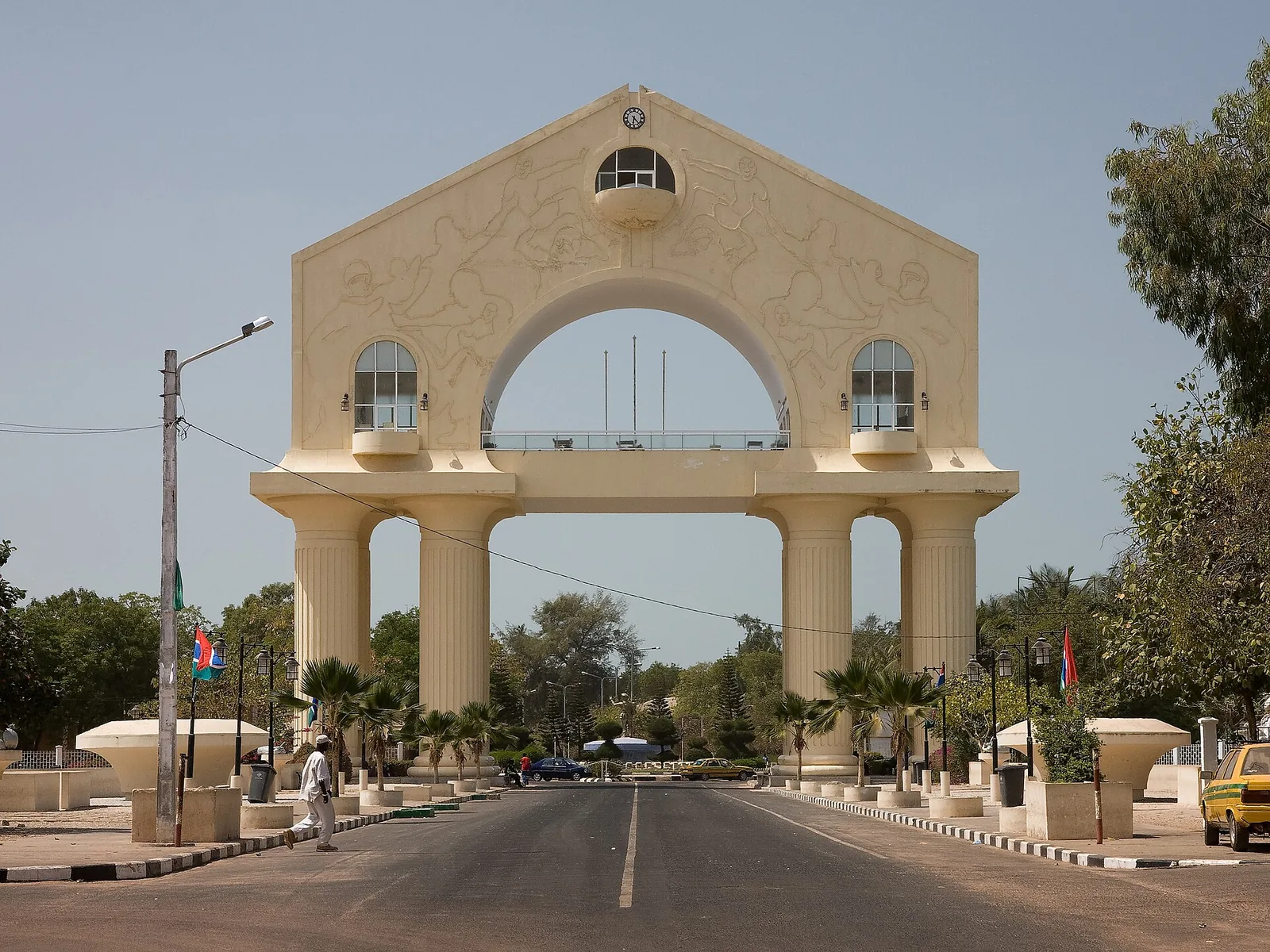
Arch 22 monument in Banjul
5

Banjul: Arch 22, Albert Market and the National Museum

Banjul sits on an island at the mouth of the River Gambia and is one of the smallest capital cities in Africa. You can see the best of it in a morning.

Start at Arch 22, the 35-metre gateway into the city. Climb up to the viewing gallery and you'll see across the rooftops to the port and out over the mangroves of the Tanbi wetlands. There's a small textile museum at the top. Then walk to Albert Market, the city's busy main market, for fabric, baskets, spices, wood carvings and fresh fish. The National Museum is close by and worth half an hour for its displays on Gambian history and traditional life.

  • Time needed: half a day
  • From Kololi: about 30 minutes
  • Good for: culture, shopping, a first look at Gambian city life
  • Best time: weekday mornings, when the market is in full swing

Our tip: haggling is normal in Albert Market and nobody minds. Start at about half the first price and keep smiling.

Book the Banjul city tour
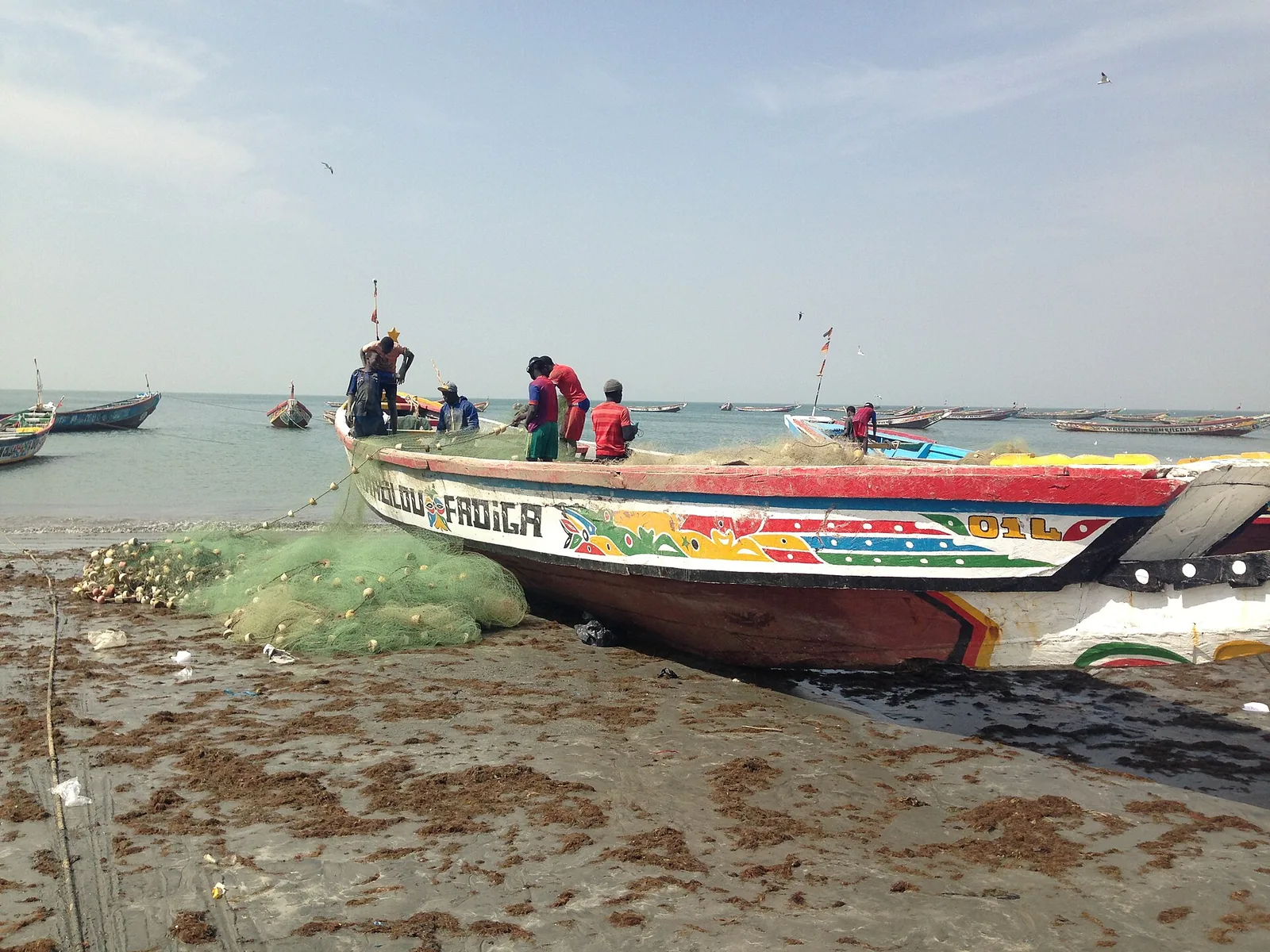
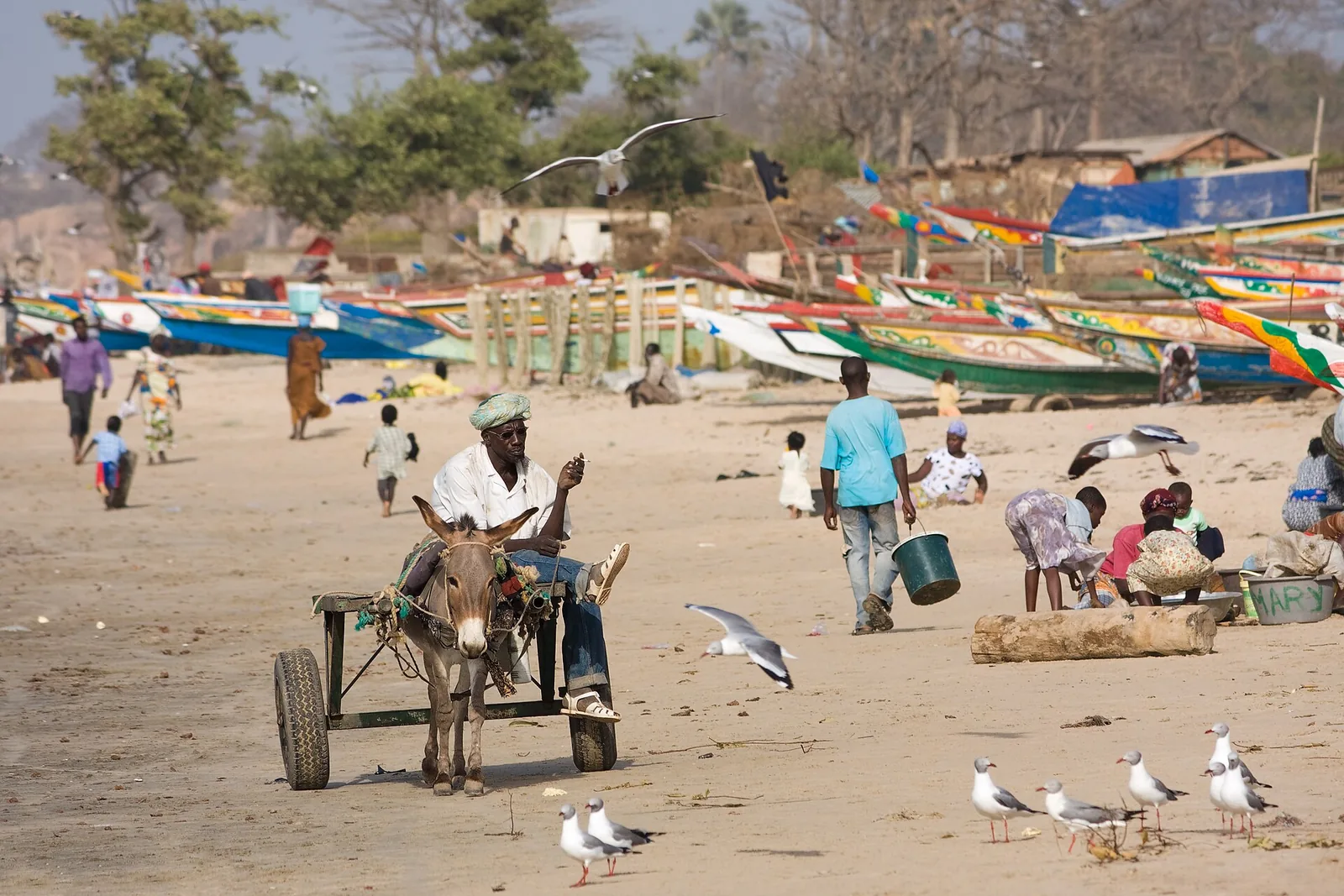
Fishing boat at Tanji on The Gambia’s coast
6

Tanji Fishing Village and Tanji Bird Reserve

Come to Tanji in the late afternoon and you'll see the real Gambia at work. Long, brightly painted wooden boats run up onto the sand, the catch is carried ashore in baskets, and the smokehouses along the beach fill the air with wood smoke as the fish is dried. It's busy and loud, and the photographs are wonderful.

Just north of the village is Tanji Bird Reserve, set up in 1993. It covers 612 hectares of beach, lagoon and woodland, and about 300 bird species have been recorded there. The reserve also includes the Bijol Islands, The Gambia's only offshore islands, where sea turtles nest.

  • Time needed: 1 to 2 hours, more if you visit the reserve
  • From Kololi: about 30 minutes
  • Good for: photography, real local life, birders
  • Best time: late afternoon, when the boats come in

Our tip: ask before taking close-up photos of people. Most will say yes, and a few dalasi for a fish seller's trouble goes a long way.

Book Tanji & the south coast
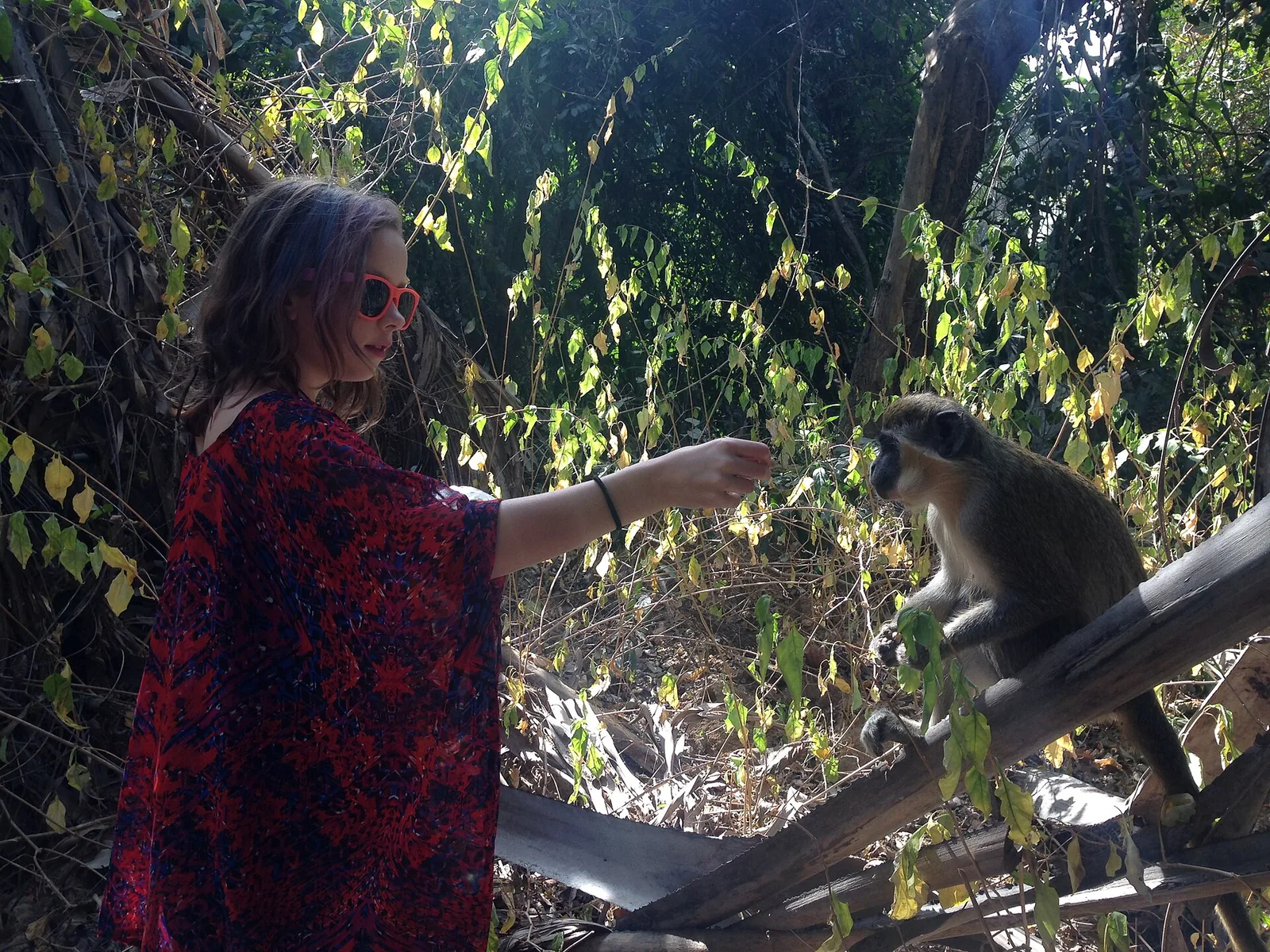
Green vervet monkey at Bijilo Forest Park
7

Bijilo Forest Park (Monkey Park)

Everyone calls it the Monkey Park. Bijilo Forest Park is a 51-hectare patch of coastal forest just south of the Senegambia hotels, so you can walk there from Kololi. Easy marked trails run through the trees and down towards the beach.

The green vervet monkeys are bold and very curious, and they'll come right up to you. Look higher up and you may spot red colobus, and the park is also home to Campbell's mona and patas monkeys. It's an ideal first outing for children and an easy morning for anyone.

  • Time needed: 1 to 2 hours
  • From Kololi: about 5 minutes by car, or a short walk
  • Good for: families, a gentle walk
  • Best time: early morning or late afternoon

Our tip: you'll be offered peanuts at the gate. Feeding is discouraged because it isn't good for the monkeys and makes them pushy. You'll see plenty without it, and keep sunglasses and phones in your bag.

Book crocodiles & monkeys
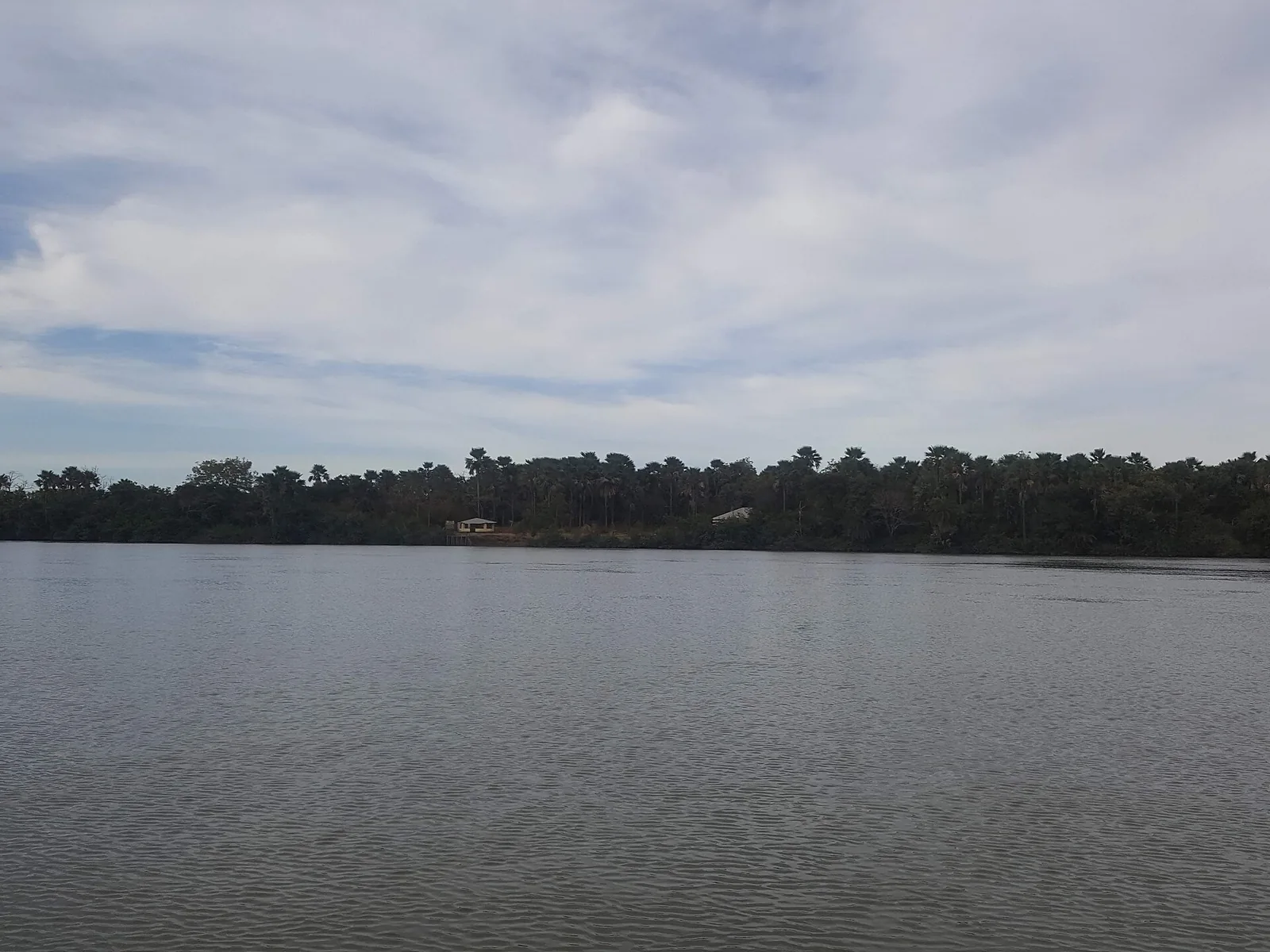
Riverbank on the River Gambia near Janjanbureh
8

River Gambia National Park, Janjanbureh and the Wassu Stone Circles

For a real adventure, head upcountry. The River Gambia National Park was set up in 1978 and includes the Baboon Islands. Since 1979, the Chimpanzee Rehabilitation Project has given chimpanzees rescued from the illegal pet trade a new life on three of the islands.

You can't land on the islands. That protects the chimps, and it protects you too, because they can be aggressive. Instead you see them from a boat with a project guide. Trips go from Kuntaur, and there are usually hippos in the river too. Park entry was D180 per person when we last checked.

On the way you can stop at Wassu, where UNESCO protects 11 stone circles dated to about 927 to 1305 AD as part of the Senegambian Stone Circles. Most visitors stay overnight in Janjanbureh, an old island town that used to be called Georgetown.

  • Time needed: 2 days
  • From Kololi: about 5 to 6 hours by road
  • Good for: wildlife, adventurous travellers
  • Best time: November to February, when it's cooler

Our tip: bring binoculars and a long lens. The boat keeps a respectful distance from the chimps.

Book the upriver tour
Quiet beach on The Gambia’s coast
9

Sanyang and Kartong beaches

The beaches by the big hotels are fine. The beaches in the south are something special. Drive 40 minutes or so down the coast and the crowds disappear. You get wide golden sand, palm trees and a few simple beach bars grilling fish caught that morning.

Sanyang is the easiest of these beaches to reach and has a handful of places to eat. Kartong is right at the bottom of the country, by the Senegal border, and has a lovely village feel and some of the most remote beach on the coast. There's also a reptile farm nearby if the children need a break from the sand.

  • Time needed: a relaxed day
  • From Kololi: 40 to 60 minutes
  • Good for: beach days, peace and quiet
  • Best time: any time in the dry season

Our tip: the Atlantic here can have strong currents. Swim where local people swim, never alone, and don't go out far.

Book a beach day
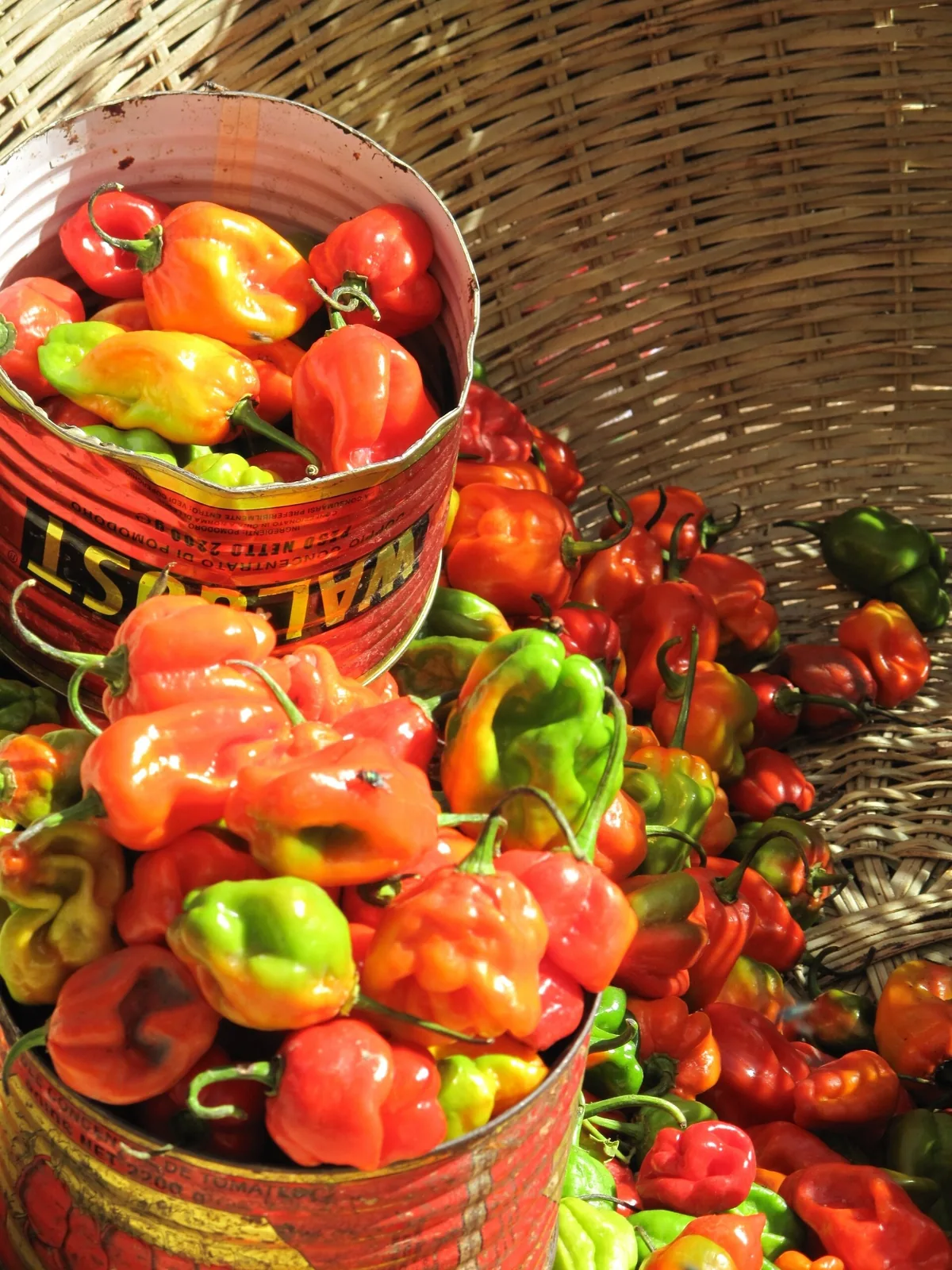
Chillies for sale at Serrekunda Market
10

Serrekunda Market and the Senegambia Strip

Serrekunda is The Gambia's biggest town and its market is the busiest in the country. You'll see tailors at their sewing machines, piles of mangoes and okra, fabric of every colour and hardware stalls selling everything else. It's loud, crowded and great fun with someone who knows the way round. The batik workshops nearby are a good place to buy cloth and watch it being dyed.

In the evening, head back to the Senegambia Strip in Kololi. This is where most visitors eat out, with restaurants serving everything from Gambian dishes to pizza, plus bars and live music late into the night.

  • Time needed: a morning at the market, plus an evening on the strip
  • From Kololi: about 15 minutes to the market
  • Good for: shopping, food, nightlife
  • Best time: market in the morning, strip after dark

Our tip: go to the market with your driver the first time. It's easy to get lost, and we know which stalls are fair.

Book a driver for the day

Planning your week

How to fit it all in

With a week on the coast, this is what we suggest to most first-time visitors.

  1. Day 1: Arrive, settle in, walk to Bijilo Forest Park.
  2. Day 2: Kachikally in the morning, Banjul in the afternoon.
  3. Day 3: Beach day.
  4. Day 4: The Roots trip to Kunta Kinteh Island.
  5. Day 5: Abuko early, then Makasutu.
  6. Day 6: Serrekunda Market, Tanji in the late afternoon.
  7. Day 7: Sanyang or Kartong before your flight home.

Questions about visiting these places

What is the number one thing to do in The Gambia?

For most visitors it's the Roots trip to Kunta Kinteh Island and Juffureh. The island is a UNESCO World Heritage Site and the trip combines the Banjul to Barra ferry, a village visit and a short boat ride. It takes a full day from the coast.

How many days do you need in The Gambia?

A week is enough to see the coast and do three or four day trips. With ten days to two weeks you can add a two-day trip upriver to Janjanbureh and the River Gambia National Park.

Can you visit the chimpanzees in The Gambia?

You can see them from a boat. The chimpanzees live on protected islands in the River Gambia National Park and nobody is allowed to land. Boat trips go from Kuntaur with a guide from the Chimpanzee Rehabilitation Project.

What can families with children do in The Gambia?

Kachikally Crocodile Pool in Bakau and Bijilo Forest Park next to Kololi are the favourites. Both are close to the hotels, take an hour or two, and children love them.

Want us to take you?

Tell us which places you'd like to see and how many days you have. We'll put together a plan and a fixed price, and confirm it on WhatsApp.

Plan my trips
Book on WhatsApp